
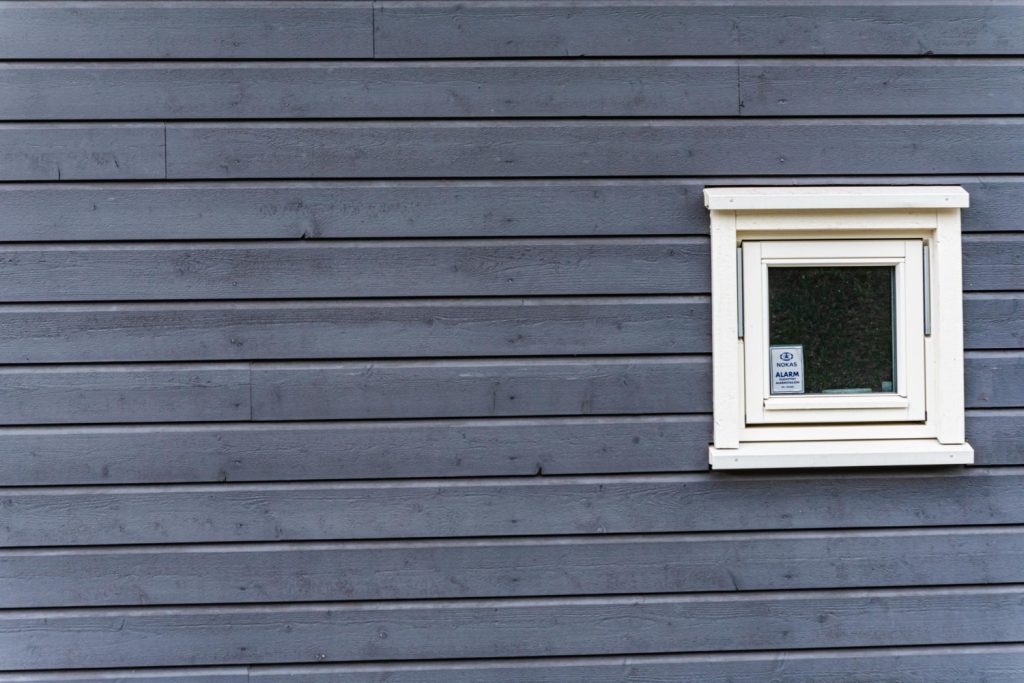
The siding on your home plays a vital role in protecting its structure from the elements, especially in a dynamic climate like Wisconsin’s, Illinois and Connecticut. It not only adds to the visual appeal but also serves as a sturdy barrier against wind, rain, and other weather conditions. Over time, however, it’s common for siding to show signs of wear and tear, such as cracks. These can develop due to various reasons, including temperature fluctuations, physical impact, or simply the aging of materials.
Ignoring cracks in your siding might seem tempting, but it’s a decision that could lead to more significant problems down the road. Cracks provide an entry point for moisture, which can seep into the walls and cause damage that’s often costly to repair. In the worst cases, this can lead to issues such as mold growth, structural damage, or even reduced energy efficiency as your home struggles to maintain its internal temperature. That’s why addressing cracks promptly is important for both the longevity and efficiency of your home.
Assess the Damage
Before you can fix any siding issues, you need to assess the extent of the damage accurately. Inspecting your siding can be a simple yet effective way to understand the situation better. Here’s a step-by-step approach to help you get started:
1. Visual Inspection: Begin with a thorough visual check during daylight hours. Walk around your home and look for visible cracks, especially around the corners and near window frames, where damage often begins.
2. Check for Soft Spots: You might notice areas that feel soft to the touch. Gently press the siding with your fingers. Softness usually indicates water damage or that the material beneath has started to rot, warranting further investigation.
3. Look for Color Changes: Discoloration might indicate water trapped behind the siding. This is another potential sign of damage that needs attention.
4. Tools for Thorough Inspection: Consider using a flashlight for shaded areas and a ladder for higher spots. A simple screwdriver can help test for soft spots or areas that seem fragile. Make sure to take necessary precautions when using a ladder to ensure safety.
5. Severity of Damage: Pay attention to the size and length of cracks. Minor hairline cracks might be less urgent but should still be monitored, while wider or longer cracks are a sign of immediate concern.
Once you’ve completed your inspection, it’s crucial to document the findings. Take notes or photos of the problematic areas. These will come in handy when you consult with a professional, helping them quickly assess the scope of repairs or replacement needed. Remember, being observant during the inspection can save you future headaches by addressing potential problems early.
Temporary Repairs
Once you’ve assessed the damage, it’s time to consider temporary fixes to protect your home while waiting for professional assistance. These short-term solutions can protect your home from further damage:
1. Use a Sealant: Apply exterior-quality sealant to small cracks. This can temporarily stop water from seeping in. Choose a color that matches your siding for a seamless look.
2. Patch with Spare Siding: If you have extra siding material, use it to patch larger areas. Cut a piece that fits the crack, and secure it using nails or adhesive designed for your siding material. Ensure the patch is secure to prevent it from becoming a new problem during a storm.
3. Waterproof Tapes: For immediate protection, apply waterproof repair tape designed for home exteriors. This tape acts as a barrier to keep moisture out until a more permanent solution can be reached.
While these measures offer a temporary shield, remember they’re not substitutes for professional repairs. They keep problems at bay for a short period, giving you peace of mind until help arrives.
Consult a Professional
Considering the impact that siding issues can have on your home, it’s wise to seek professional advice. Experts can assess the damage more accurately and recommend comprehensive solutions.
– Why a Professional Assessment is Important: Professionals bring experience in evaluating not just the visible damage but also any underlying issues. They can identify the causes of the cracks and predict future problems.
– Choosing a Reputable Contractor: When selecting a siding contractor in Wisconsin, Illinois and Connecticut look for one with strong local reviews and experience in dealing with the region’s specific weather-related challenges. Personal referrals can also guide you in the right direction.
– Questions to Ask: Before deciding on a contractor, consider asking about their experience with your siding type, their warranty options, and their repair versus replacement policies. It’s also helpful to inquire about their estimated timeline for the repair or replacement.
Professional guidance can save you from the stress of ongoing repairs and ensure your siding is restored to its best condition.
Consider Replacement Options
At times, assessing your siding might reveal that a replacement is a better long-term solution than repair. Here’s why it might be worth considering:
1. Severe Damage: If your siding has multiple cracks, is warped, or has significant water damage, replacement could provide a more reliable solution.
2. Enhanced Benefits: New siding can improve your home’s insulation, lead to better energy efficiency, and increase your home’s market value. Modern materials can be more durable and resilient to the changing Wisconsin, Illinois and Connecticut climate.
3. Aesthetic Appeal: Replacement offers a chance to update your home’s look. You can choose materials and colors that reflect your current style preferences while ensuring better protection.
Deciding to replace your siding involves initial costs but often results in better protection and potentially lowers maintenance needs over time.
Keeping Your Home in Top Shape
Addressing cracked siding promptly ensures your home remains a safe and welcoming place. By taking steps to assess, repair, or replace your siding, you’re investing in the longevity of your home. Regular maintenance, such as inspections and cleaning, keeps your siding in good condition, preventing minor issues from becoming major concerns. Adopting these practices helps maintain not just your house’s structure, but also its aesthetic charm and safety for years to come.
If you’re thinking about updating your exterior for better curb appeal and durability, it might be time to explore the benefits of a replacement of siding. This upgrade can help protect your Wisconsin, Illinois and Connecticut home from the elements while giving it a refreshed look. REXX Roofing is here to help you make the best decision for your home’s siding needs.